
The Blog
Recently Featured



All Blogs







Maybe you should talk to someone
“But part of getting to know yourself is to unknow yourself—to let go of the limiting stories
you’ve told yourself about who you are so that you aren’t trapped by them, so you can
live your life and not the story you’ve been telling yourself about your life.”
-Lori Gottlieb from Maybe You Should Talk to Someone
I believe one of the greatest tools for working through your past, avoiding burnout and embracing true transformation is psychotherapy, especially through the lens of the Enneagram. It is incredibly powerful for anyone seeking a deeper sense of understanding and wholeness.
Good therapists most definitely hold space to unpack the often-painful stories of our past. In order to write a compelling next chapter with you playing the hero instead of the victim, it’s necessary to unearth old expired lies and lay them to rest. However, good therapists won’t leave you there.
I’ve been a student of Dr. Joe Dispenza’s work for a while now. He explores this topic neurologically and absolutely nails it. Check this out:
“The stronger the emotion that we feel from some external event in our life, the more altered we feel inside of us as a result of that condition outside of us and the more we pay attention to the cause. The challenge is, every time we think about that trauma, we’re producing the same chemistry in the brain and body as if it was happening again. What that does is it activates a survival gene. And when you’re in survival, what you want to do is make sure that that doesn’t happen again. “
When we lock into this type of survival mode, we often forecast worst-case scenarios. Guess what? Our brain doesn’t know the difference between the imagined state we create and reality. Therefore, we stay trapped in that old victim mentality and it tends to play out over and over again moving forward.
Here’s my point: therapy often doesn’t work because we spend so much time talking about our past to the point we are literally reliving it.
Where focus goes, energy flows, therefore creating a habit of attention so strong and involuntary, it becomes nearly impossible to create new life-giving possibilities and successes in our lives. How could we? All our energy is being funneled into past emotions of survival long after the immediate threat is gone.
My approach is different. It’s an experiential Enneagram approach that invites change through experience using holistic practices tailored to your unique type. I’m convinced if we’re interested in creating lasting change, we need an experience to support us as a whole person, not just a cognitive one, from the neck up.
Yes, we need a safe space to tell our stories—100%. Yet we also need an experience of transformation as opposed to a conversation. I believe this happens through a customized experiential therapeutic approach, nourished by daily practices and the support of community.
If you’re ready to dive right in, I’d love to be your guide.
Drop me a line. I always love hearing from you.

Your Childhood and the Enneagram
“If you ever find yourself in the wrong story, leave.”
-Mo Willems

People often ask me, “What is your process when working with clients?”
To which I typically reply, “We co-author a new story.”
As it relates to transformation, the Enneagram invites us into the powerful and creative work of rewriting our stories.
After all, many of us have been living out of a story that was written somewhere back in early childhood and we wait until some type of crisis or loss to identify that story, hold it up to the light, and ask ourselves if it’s still working for us.
Children are brilliant story tellers. They are not so gifted as translators.
Let me explain. When little people start to connect the dots of life, somewhere around five or six, they create little stories about themselves and the world around them. Typically, these stories are very black and white, i.e. I didn’t get picked to play with on the playground. There must be something wrong with me.
Over time, we keep connecting the dots of life and tell ourselves stories that somehow keep us safe and secure along the way. These stories create certainty—yet they lack context—and aren’t necessarily true.
So what do we do as we grow up? We use these stories, or personalities, to help us show up in the world and be liked, helpful, and successful.
Fast forward to adulthood. Our world looks much different and yet we are still living, albeit unconsciously, out of a story that was written so long ago. Therein lies the rub—we’ve forgotten who that little person is underneath the conditioned self. In fact, we become so identified by the workings of our personality, or ego as its often called, we bump up against challenges and discord in our relationships, career, and emotional landscape.
And so, we dig deep. We uncover the stories of our personality—the why behind how we think, feel, and act—we hold it up to the light with compassion and kindness, and we start the editing process.
But first, we must go back and understand our stories.
In fact, I have the perfect opportunity for us to do just that.
I am thrilled to partner with my friend and Enneagram icon, Beatrice Chestnut, in promoting her upcoming (tomorrow!) virtual one-day workshop called Early Childhood Development and the Enneagram. I know, I know, it’s literally right around the corner, but when you register, you will receive recorded access to the event so you can learn at your own pace. I can’t wait to learn more about how our Enneagram types tell us so much information about our childhoods from Bea, especially as a therapist.
I hope you’ll join me!

The Fall Edit 2024
“Life starts all over again when it gets crisp in the fall.”
-F. Scott Fitzgerald

Fall is undoubtedly my favorite season. I feel a bit like Mr. Fitzgerald in that life seems to offer a second, and equally romantic, Spring, or new beginning when early October rolls around. Ah, the sweaters, jackets, and boots, oh my!
Yet I’m also well acquainted with the struggles and temptations that come along with the changing seasons. The days get shorter, schedules mount up, self-care tends to wane, and I often feel a dank, subtle chill of loneliness sneak in.
Have you struggled much with seasonal depression?
I have…big time. That said, I’ve learned the hard way how vital it is to intentionally manage expectations and routines in order to stay connected to daily hope and healing. In light of this, I like to send out a Fall Edition of sorts—full of new ideas and opportunities to stay on top of our self-care game and intentionally surround ourselves with beauty as we head into the coming months. If you follow fashion, it’s a bit like that thick, bounding, September Vogue edition boasting fall’s most delicious offerings. Pure magic.
This year, I’m more excited than ever to explore some new opportunities to connect to yourself and your community in life-giving ways.
All too often we’re tempted into autopilot—that sleepy trance of contained chaos—and end up just going through the motions. I don’t know about you, but I want to feel alive and awake in my experience this fall, savoring each moment like a gift—or that inaugural pumpkin spice latte.
Here are a few ideas to support you in this pursuit. I think you’ll find something you can enjoy despite the hectic demands of the season.
Book Club: One of my favorite new offerings this year has been the Experiential Book Club, where we meet virtually once a month to work through an interactive book that helps support you creatively, spiritually, financially, and emotionally. This year, we kicked things off with my favorite, The Artist’s Way, by Julia Cameron. Come January, we will pivot to Money, A Love Story, by Kate Northrup, to ignite a new, healthy relationship with money, something that tends to be a charged or taboo topic of conversation. Want to be the first to know when registration opens? Join the waiting list.
Podcast: Podcasts are my favorite way to consume thoughtful and insightful content on the go. I’m always looking for new ones to check out. Fun fact, I’m launching my own next Spring (Stay tuned!), but in the mean time, I have been loving The Enneagram 2.0, brought to you by my friends and colleages, Beatrice Chestnut and Uranio Paes. I love it because it goes so much deeper than type. It truly moves you from enneagram information to transformation, power packed with tons of application.
App: Heartstone by Tracy Anderson. I’ve been a Tracy Anderson devotee for well over a decade, and continue to be blown away by her innovations in the wellness/fitness world. Most recently, her Heartstone meditation app that combines gentle mindful movement, weighted rose quartz stones, and vibey music to bring ethereal connection, mind, body, and spirit. It has taken my meditation game to a whole new level.
Product: ARMRA colostrum. Ever since my cancer diagnosis in 2021, I’ve been committed to protecting my health and carefully curating an arsenal of effective, proven supplements along the way. ARMRA is central in the mix. It truly is a revival for your immune system, as the tag line suggests. As we become more and more convinced of the importance of gut health and how it’s vitality spills over onto literally every other aspect of our health, this product is like a nourishing force field to promote and protect it. It’s benefits are countless. I’ve even replaced my collagen and a few other supplements I’ve used for years with it! Game changer.
Cozy: Maison Louis Marie No. 4 Bois de Balincourt is the fragrance I always come back to. When they created a candle with the scent, I was over the moon. It’s equal parts clean, romantic, and earthy. A perfect transition from summer to fall and a classic scent that invites the dreamiest aesthetic in your home or office.
Bonus! Fashion Crush: The Zara Cropped Trench is my new favorite transitional staple. It elevates any outfit and screams chic with a hint of edge at a super affordable price. The Fall Edit would not be complete without a pop of fun fashion!
Alright y’all, that’s a wrap! May your pumpkin spice lattes by hot, your morning walks, crisp, and your tall boots, heeled.
Love & Gratitude,
Katie

Be Your Own Superhero
"Logic will get you from A to B. Imagination will take you everywhere.”
-Albert Einstein

Today is my precious boy, Tucker’s, fifth birthday. So I thought I’d dedicate this week’s blog post to him. Oh how he has grown a new chamber in my heart and painted the world in technicolor for me these last five years. He’s taught me to believe in magic, laugh more and dream bigger.
Before we get to the fun stuff, however, I’ll share a sobering reality with you.
By the time we turn 35 years old, 95% of who we are is a set of memorized behaviors, attitudes, beliefs, perceptions, and preferences. Yowza. This means, you and I, as clever as we are, will walk through life unconsciously programmed to behave a certain way every single day.
That is, unless we decide to wake up and choose what it is we really want for our lives. Something I’ve learned as a therapist and serial wellness advocate, is the biggest obstacle in this process isn’t the actual change in behavior, it’s knowing and crystalizing what we want and why.
When asked, “what do you really want for your life?” Do you have a precise, accessible answer?
I’m not talking generalized ideas here. I’m talking play-by-play, descriptive details of the day including the overnight oats you’ll eat for breakfast kind of answer.
Why bother? Great question.
Getting clear on our daily and long-term intentions matters. Research shows that our brains don’t know the difference between imagination and reality. Meaning, we can rehearse mental pictures of ourselves achieving a certain goal, receiving an award, having a loving relationship, etc., and the neurons in our brains will fire in the same way they would if these outcomes were taking place in reality.
As a big-picture thinker, I’m becoming convinced that the details really matter. So let’s get granular.
But how do we do this? One of the best practices is visualization. It’s not a woo woo, baseless tactic, either. It’s supported by substantial scientific evidence and practiced by successful people everywhere from professional athletes, musicians, actors, and thought leaders.
It’s simply a technique for creating a mental image of a preferred outcome to a future event. It primes our brain and overall biology to behave in the necessary ways that match that desired outcome. In the same way practice makes us better, visualization, or mental practice, gets us closer to the goals and desires we hold for ourselves.
The older I get, the more wakeful I want to be in my own experience. I don’t want to live out of old programming. I want to create the most beautiful, vibrant, inspired life possible. I believe one of the most powerful ways we can do this is through preparation and practice. Visualization provides the perfect platform to do both.
My favorite part about visualization is it’s a conduit for making the unconscious conscious. Remember that 95% statistic earlier? In order to wake up and choose something different, we must get crystal clear on what it is we want to create.
Here’s a few other reasons this stuff works:
It jumpstarts your creative subconscious which alerts you to access otherwise unforeseen creative ideas needed to achieve your desired outcome.
It programs and provides infrastructure for your brain to identify what it needs in order to achieve this goal.
It creates and sustains motivation over time in order to take consistent action in achieving your desired outcome.
It activates intention and focus which attracts the resources needed in order to complete the goal.
Rest assured. Your desires are vitally important, especially as they pertain to finding purpose and creating the life you want. Tucker wants to be a superhero when he grows up. Whereas I think he already is, I keep telling him to start by feeling like one! The science behind visualization encourages me in that half the work involved in creating beautiful change in our lives is indeed, an inside job.
We don’t have to wait for the stars to align in order to start. Today, it begins, on your watch and the canvas of your imagination.
Ch Ch Cha Changes...
"Transitions are almost always signs of growth, but they can bring feelings of loss. To get somewhere new, we may have to leave somewhere else behind.”
-Fred Rogers
It’s happening folks, Fall is in the air. The afternoon light just hits differently, like honey dripping on the trees. The temperatures back off triple digits in Tennessee. The pumpkin muffins are in the oven. The 84 light jackets in my closet are just itching to come out and play. And I’m so here for it.
But not all transitions are this dreamy. Although change is well…change, neither good nor bad, there is always some loss incurred along the way. It’s an inevitable part of life, but how we deal with it can vary dramatically depending on our Enneagram type.
Each type has unique strengths and challenges when it comes to navigating transitions, whether they be big life shifts, unexpected disruptions, or gradual transformations. Understanding your Enneagram type can help you better manage the emotions and behaviors that surface during times of change. Here's a bird’s eye view as to how each Enneagram type typically responds to change and how they can grow through it.
Type 1: The Improver
Type 1s often resist change at first because they value order, structure, and predictability. Sudden or chaotic shifts can feel overwhelming, as they strive for things to be done "the right way."
Hot Growth Tip: Ones need to embrace flexibility and accept that perfection isn't really possible. Practicing self-compassion and acknowledging that they don't have to have everything figured out can ease the stress of transitions.
Type 2: the Helper
Type 2s may struggle with change, especially if it impacts their relationships. They often worry about how change will affect the people they care about and may become overly focused on helping others through the transition.
Hot Growth Tip: Twos should focus on maintaining their own sense of stability and self-care during change. Learning to balance their emotional energy and allowing themselves to receive support from others can help them feel less overwhelmed.
Type 3: The Achiever
Type 3s typically adapt to change quickly, especially if it aligns with their goals and ambitions. However, they may struggle if the change threatens their sense of success or status, leading them to push harder or resist failure.
Hot Growth Tip: Threes can benefit from slowing down during periods of change, focusing not just on external success but also on internal fulfillment.
Type 4: The Romantic
Type 4s are deeply introspective and may feel emotionally overwhelmed by change. They often view transitions through the lens of personal meaning and may dwell on what the change says about their identity or place in the world.
Hot Growth Tip: Fours can focus on grounding themselves in the present moment and finding practical steps to deal with change, rather than getting lost in their emotions. Journaling or expressing feelings creatively can help them process the experience more effectively.
Type 5: The Observer
Type 5s approach change analytically, seeking to understand it fully before they act. They prefer to plan ahead and may withdraw from others to process the new information. Unexpected changes can feel destabilizing for Fives.
Hot Growth Tip: Fives can benefit from connecting with others during times of change rather than retreating into isolation. Engaging in open communication and accepting that not all outcomes can be predicted will help them adapt more fluidly.
Type 6: The Loyalist
Type 6s often approach change with anxiety or skepticism, as they prefer stability and foresee potential risks. They may feel uncertain about the future and seek reassurance from others before moving forward.
Hot Growth Tip: Sixes should work on building trust in themselves and their ability to handle uncertainty. Focusing on their inner strength and adaptability, rather than relying solely on external support, can help them embrace change more confidently.
Type 7: The Enthusiast
Type 7s typically embrace change with enthusiasm and excitement, seeing it as an opportunity for new experiences. However, they may struggle with staying grounded and fully engaging with the challenges that come with change.
Hot Growth Tip: Sevens can benefit from slowing down and focusing on the deeper emotional aspects of change, rather than always seeking the next adventure. Practicing mindfulness and staying present can help them navigate the transition with more depth and clarity.
Type 8: The Challenger
Type 8s often take charge in the face of change, seeing it as something to be controlled or managed. They prefer to feel in control of the situation and can become confrontational if the change feels imposed on them.
Hot Growth Tip: Eights can grow by practicing vulnerability and accepting that not all change can be controlled. By softening their approach and working collaboratively with others, they can navigate transitions more effectively and with less resistance.
Type 9: The Peacemaker
Type 9s tend to resist change because it disrupts their desire for peace and harmony. They may avoid facing the realities of change and retreat into complacency or passivity to maintain their sense of comfort.
Hot Growth Tip: Nines can navigate change more effectively by staying engaged and proactive. Rather than avoiding conflict or discomfort, they should focus on taking small steps toward adapting to the change and trusting that it can lead to personal growth.
Need some support through this season of change? Join me in the Practice, my online Enneagram community chock full of ways to feel less alone on the journey. .
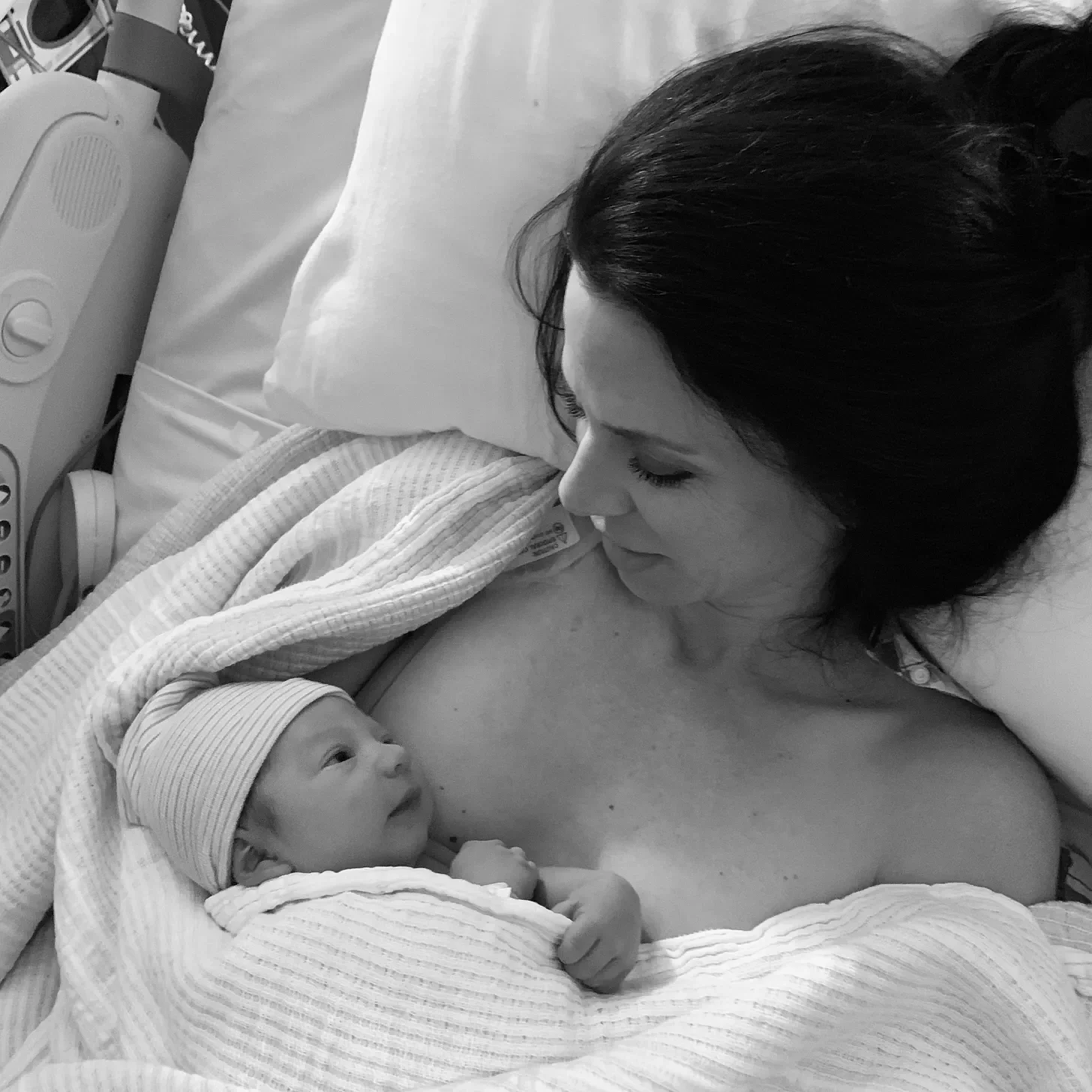
Thoughts on motherhood, breast cancer, and what attachment theory and the Enneagram taught me about being loved