
The Blog
Recently Featured



All Blogs






Do you believe in magic?
“The moment you doubt whether you can fly, you cease forever to be able to do it.”
― J. M. Barrie, Peter Pan
Battling cancer did a few things for me. For starters, it’s changed my overall view of the world. I feel more resilient, more grateful, and stronger than ever. Strangely, magic feels a bit more possible now than it ever did.
That’s not to say it’s been a leisurely walk through Central Park either. My journey’s been hard, much like yours I imagine, wrought with heartache, loss, tough lessons, dark nights, and spells of aching loneliness. I’ve grown to savor the days of lovely normalcy that lend a softer cadence on which to build my dreams.
But how do we get there? To that faraway land with less loneliness and more magic?
Good news, you won’t need wings to take you from powerlessness to unhindered possibility…you need belief.
Belief can often feel ephemeral or tough to pin down— a bit like Maria in Sound of Music. I think we overcomplicate it. I like what Abraham Hicks says, “A belief is just a thought I keep thinking.”
Over time, the thoughts we habitually think become deeply ingrained beliefs, so deep they’re automatic. Guess what? Those insular thoughts, practiced over time, predict the way we feel, both physically and emotionally. Our feelings create motivations that directly steer our actions and decisions. You know the rest. Eventually, we wake up and have unconsciously built out a life we either love or resent. I use the word unconsciously because, as I mentioned, this process can be so involuntary and trance-like, we barely even know it’s happening.
The biggest mistake we make as we embark on this journey of self-discovery and growth is to wait for outside circumstances to change before we allow ourselves to feel better. We assume “Once I lose ten pounds” or “get the guy/girl” or “have a million dollars” or whatever (those tend to be the top three contingencies mind you), we will feel a sense of peace and control over our lives.
Spoiler alert: it never works.
The fastest, most failsafe way to reach our desired destination is to start from within. Why? Because this inner sanctum is the prime real estate where desires are birthed and visions built. This sacred space is yours alone, unaffected by things and people.
We build this interior castle brick by brick, choosing our beliefs, or the thoughts we keep thinking, with intention and practice.
What is it you want to create more of in your life? No, I don’t have a magic wand for you to borrow. I have something far more powerful. You do too. It’s the power to shape your life over time, moment by moment. It’s the ability to rewire your life and your mind.
How? Ask yourself this question every morning: What is it I want to feel more of today? Confidence? Love? Security? Freedom? Once you decide, write down five thoughts to think about that will cultivate this feeling in your life.
Just like anything, we master what we practice. Get ready, because this is where the real magic happens…
Great expectations...or not
"Expectations are resentments waiting to happen.”
– Anne Lamott
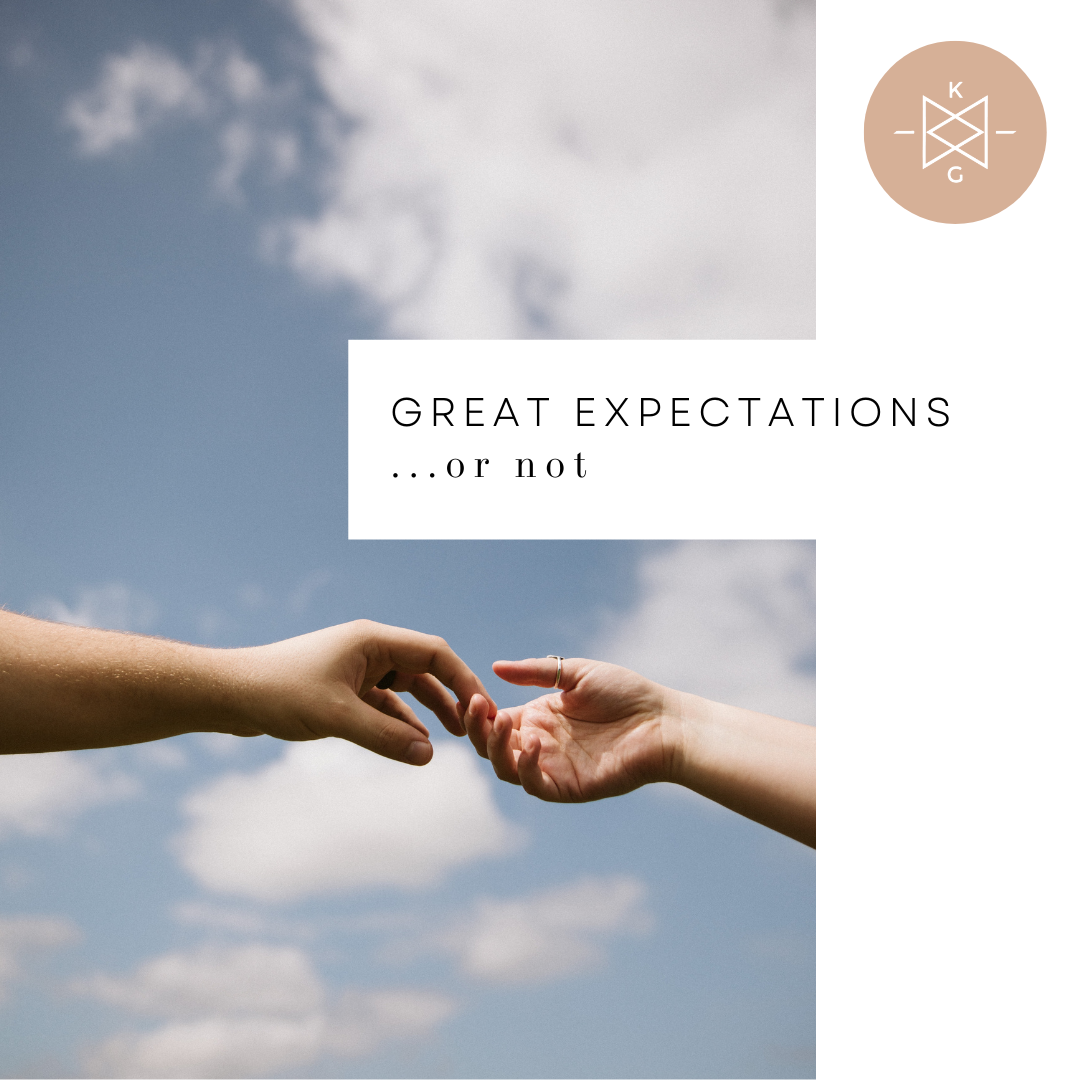
Here we are.
This is not a throw away sentence. It’s perhaps the most profound reminder we’ve got.
We will never ever experience the present moment ever again. It’s gone in a heartbeat and yet is the only sure thing we ever really touch—presence, being, the here and now.
The Holidays kick up a whole host of unique demands and expectations, leaving me often anxious if not resentful. It’s tempting to compare my life to others I see magically splattered all over social media cavorting around magical cities, gifts thoughtfully wrapped and under the tree like a month in advance, and wearing the perfectly cut Tom Ford red velvet suit while sipping something festive. Sigh. “One day,” I deflate to myself.
Where do these expectations even come from? My hunch is, they come from the stories we make up in our heads. Ah, those glorious narratives of certainty, guarantees, entitlement, essentially—suffering.
Why? Because suffering is the story we make up about our lack. “I should have a better job that lets me travel more.” “I should have a partner that enjoys doing the same things I do.” “I shouldn’t have to work so hard. After all, it’s nearly November and I deserve to relax and enjoy the season.”
Whereas these may be true, I don’t know how much progress we make changing our reality by playing the victim. In fact, there are no guarantees in this life. That said, keeping unrealistic expectations flush in our back pocket is a fast way to prevent abundance in our everyday experience.
As an Enneagram type four, I often struggle with this pervasive longing for what’s missing in the moment. For example, “Ah, the sunset is beautiful, but I wish it were a bit cooler so I could really enjoy it more.” I know. Gross.
This dangerous habit creates a crusty resentment which in turn drives away joy.
Because the struggle is so real for me, I created a little Expectation Inventory to keep me in check a few years back. I’ve come to wholeheartedly believe the pivotal moment in every unrealistic expectation is simple: gratitude. It tethers us in the here and now. It gently leads us back home to presence. Gratitude changes everything in an instant.
Today, I’m sharing my inventory with you. Keep it close and use like guardrails when you start to slip into resentment. Maybe, like me, they will keep you on track and reminded of what you do have as opposed to what you lack.
Expectation Inventory:
How do I feel right now?
What unrealistic expectations am I feeding into?
What is the payoff for having these expectations of myself or others?
What would it feel like if I were able to let go of these?
What do I need in order to let these expectations go?
What am I grateful for?
Enjoy…truly!

Join me for a very special event
"When you are compassionate with yourself, you trust in your soul, which you let guide your life. Your soul knows the geography of your destiny better than you do.”
– John O’Donohue

Be honest, what do you think about when you hear the term “self-care?”
Spa treatments? Retail therapy? A long bath? A wine night with the girls?
Whereas all of these things sound fun, I’m not sure they are actually self-care. Pampering? Sure. Indulging? Absolutely. I’m convinced we can do better for ourselves.
Oh, and what if self-care is not in fact, selfish. I hear that a lot in my work with clients. It’s a real blocker.
What if self-care is easier, (and cheaper), than you think? What if you could actually save tons of money in therapy by practicing a plan that would connect you to your truest self each week? Hell, you may even put me out of a job! :)
There is a time and a place for therapy; however, I believe if we feel empowered to practice the things that bring about positive change and care in our daily experience, we are able to create a life that truly breathes hope and vibrancy.
As an Enneagram coach and therapist, I love equipping people to step out of the limiting box they’ve been in and better understand the true story about who they are. There is simply no better tool in bringing about self-awareness and transformation than the Enneagram.
So mark your calendars for the Self-Care Workshop, taking place Saturday, February 25, 2023 in Nashville. We will go beyond information and do a deep dive into how this wisdom makes a tangible difference as we apply it to our lives through self-care. Ally Fallon, a bestselling author and writing coach will help us infuse writing practices into this transformation process. Koula, a brilliant communicator and my favorite yoga teacher on the planet, will show us how movement and mindfulness are scientifically proven to improve our overall health and well-being. I will guide you through a basic understanding of the Enneagram and how to use it in your everyday self-care through practical application.
Most importantly, you will leave with a plan. That’s why we struggle with follow-through, right? We lack a plan and ongoing support. We’ve got that covered.
Investing in yourself will not only greatly benefit you, but the ones you love as well. It’s like getting six months of therapy in one solid weekend. (There I go again, putting myself out of a job. ;)
Can’t wait to see you in February!

In case you're wondering what to do next
"Yesterday I was clever, so I wanted to change the world. Today I am wise, so I am changing myself..”
– Rumi

When everything around me seems swirling and chaotic, I always return to the basics: what I know to be true.
I remember as a kid, when I’d get super discouraged, dramatic, or disappointed, my sweet Dad would take me on a date (which normally revolved around food, ice cream, what have you), and remind me of who I was. Not in a pep talky kind of way—more of a recalibrating kind of way. My highly-sensitive self would get lost in the clouds of her great expectations and harsh inner critic and what I needed more than anything was to feel my feet on the ground.
My Dad knew that. Perhaps someone had done that for him somewhere along the way.
While I was clueless/terrified as to how to respond to my cancer diagnosis last April and the mash up of emotions sheltering inside me as a result, I kept coming back to this: when in doubt, do the next best thing. Okay, okay, so I got a little inspiration from Anna in Frozen 2. I guess it’s proof that the kid inside of you and me is indeed, a truth-teller.
Though we may not be able to control our circumstances or the world spinning out around us, we can take responsibility for how we respond and choose to grow forward. In doing so, we directly impact our sphere of influence big, or, in my case, small. By becoming better humans, we build a better world. By taking care of you, you create a greater opportunity for impact as you engage your family, friends, co-workers, and tribe.
I believe the first step to becoming better humans is to wake up to what’s happening inside. To develop greater self-awareness and self-knowledge. There’s a difference after all!
Self-awareness is being conscious of how you feel, think, and act. Self-knowledge takes it a step further and unpacks the “why” behind that awareness.
The Enneagram gives us nine (or 27 if you factor in subtypes) lanes that map out how we get lost in our ego, or false self. It carves out the self-knowledge as well, providing us with the “why” behind our often painful pursuits.
Painful experiences in life wake us up from life’s unconscious slumber. They invite us to quit pressing the snooze button and start living in wakeful presence. It’s an opportunity to change the world around us by doing the next best thing–whether that is reaching out to a friend in need, speaking kindly to yourself, donating to a worthy cause, responding instead of reacting out of fiery emotion, practicing self-care, or hugging your child a little longer at bedtime.
It’s about revisiting the classics we may have skimmed through in human school.
Let’s get back to the truth of what we know, my friend. By taking care of you, you’re taking control of what you can control. When we build on a firm foundation, we can create a beautiful, soulful tomorrow.
Stressed? This is for you
"When I look back on all these worries, I remember the story of the old man who said on his deathbed that he had had a lot of trouble in his life, most of which had never happened.”
– Winston Churchill
Spoiler Alert: Guess what?
There will always be something to stress you out. Life is chock full of reasons. However, we will also always have the choice to lean into it or become enslaved to it.
In light of this, I believe our work is not avoiding stress—it’s learning how to relate to it.
Unfortunately, lots of us proudly (I’m so guilty) tout our epic workloads, deadlines, and lack of sleep around like we’ve just won a Nobel Peace Prize.
Let’s take a quick look at the neurobiology of stress.
First off, not all stress is bad, nor are the hormones stress creates in the body as a result. They ebb and flow throughout the day in order to help us adjust to the stressors of normal, everyday life. Moments like waking up (no joke!), getting to work on time, giving a presentation, getting a traffic ticket, and even being surprised on your birthday all require shifts in our internal ecosystem to stay regulated.
More good news, stress is highly manageable. We’ll look at ways to do so a bit later.
Long-term stress left unchecked however, is a different beast. Our bodies and brains weren’t created to undergo this brand of stress and anxiety. In fact, in as much as we think we’re being responsible and hardworking, we are directly inflicting ongoing toxic wounds on ourselves. This eventually will show in the form of negative, noticeable emotional and physical symptoms.
Neuroscientists at the University of California, Berkeley, have discovered that chronic stress produces long-term changes in brain structure and function. This sheds light on the fact that youngsters exposed to ongoing stress early in life likely will develop mental illness and mood disorders such as anxiety, depression, insomnia, and even learning difficulties.
As a natural line of defense, our adrenal glands produce a hormone called Cortisol when we’re met with stressful situations as part of the fight-or-flight mechanism. With good stress (eustress) these levels balance out once the threat of danger has passed and the body and brain return to normal.
However, in a state of chronic stress (distress), our friend Cortisol has no outlet to release and the body stays locked in this hyper fight-or-flight mechanism. This survival mechanism must be released physically from the body and when it’s not, cortisol levels skyrocket in the blood, declaring war on our mind and body.
The wreckage? Lower immunity and bone density, weight gain, sleep problems, memory loss, learning disability, irritability (duh), increased blood pressure, cholesterol, heart disease, and inflammation throughout the body.
If that list doesn’t convince you, I don’t know what will. Bottom line my friend, we must be vigilant in listening to the needs of our bodies and emotions and practice actively getting them met.
Here are a few helpful tips that will reduce the effects of chronic stress and resulting cortisol levels in the body:
Regular physical activity: I’m an exercise evangelist. This blew past vanity a long time ago as I experienced the direct positive effect daily exercise has on my mood and overall experience. It is my antidepressant of choice. We absolutely must move our bodies regularly to aid the release of cortisol from our bodies and support emotional processing.
Mindfulness practices: Mindfulness practices such as meditation and deep breathing are vital in reducing stress and cortisol levels. Why? They engage the Vagus nerve which signals your nervous system to chill out, slow the heart rate as well as cortisol levels. Next time you’re in the death grip of stress, take ten deep breaths. Panic cannot co-exist with a relaxed state. Click here for a free meditation I’ve created to support you in this practice.
Community: Social interaction is a powerful antidote for stress and anxiety. In fact, human bonding also triggers that Vagus nerve mentioned earlier, relaxing the parasympathetic nervous system. Not only that, social connectivity releases that yummy hormone called oxytocin, which directly lowers the fight-or-flight mechanism. That whole eight hugs in a day thing is real!
Laughter and music: Both are game changers and have been proven to lower cortisol levels. Not only that, but they invite us into the experience of the present moment, the most desirable real estate on the planet when it comes to experiencing more levity and joy.
Last thing I’ll say before I land this plane: we were created to thrive, not merely survive. However, some of life’s seasons require us to dig a little deeper into our resilience tool kit. If you find yourself needing some extra support these days, please reach out. I’d love to support you.
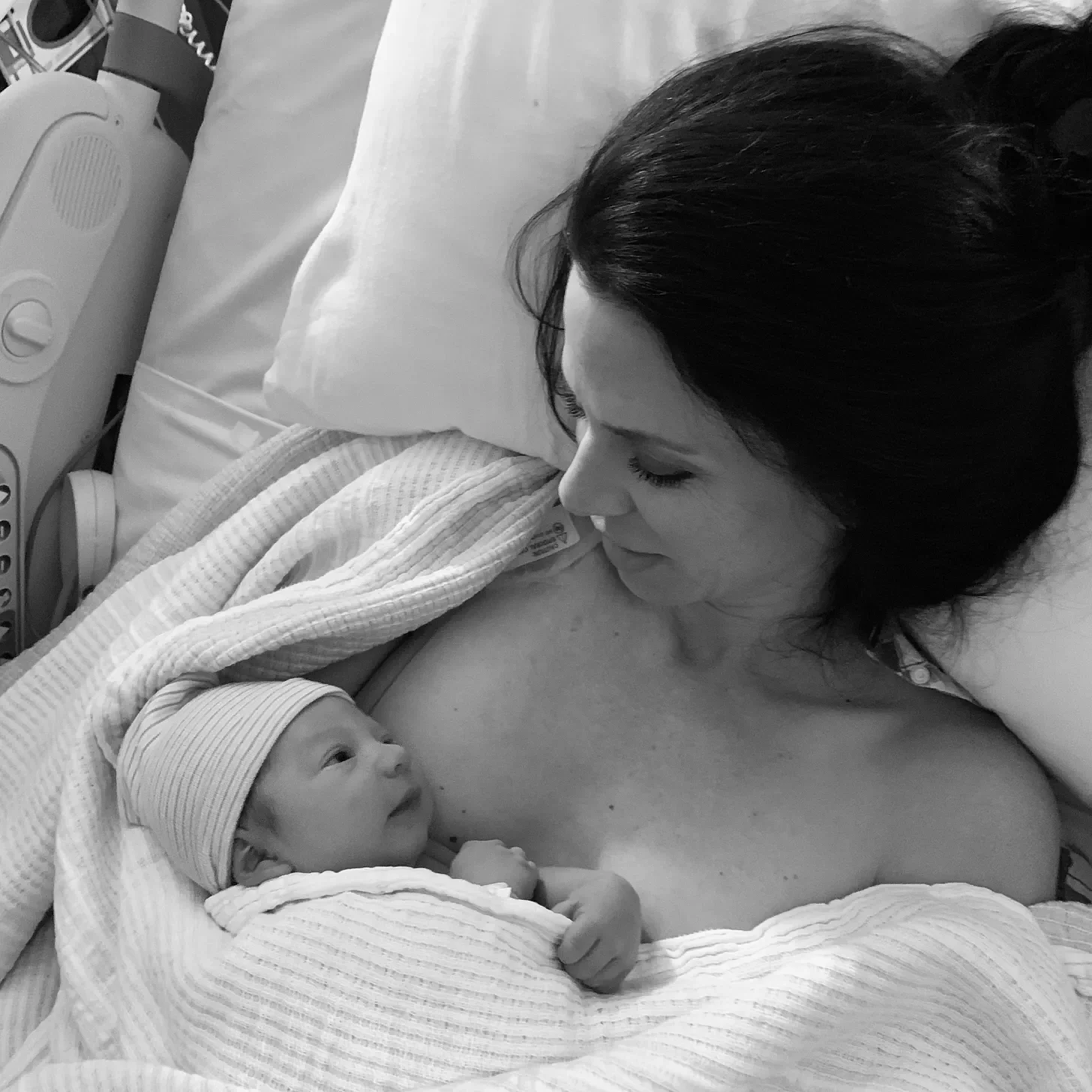
Thoughts on motherhood, breast cancer, and what attachment theory and the Enneagram taught me about being loved